Presenting the second issue of the Australian Disc Golf Newsletter!
This is an initiative from ADG to keep our community informed about what’s happening across the sport nationally. We’ll be bringing you quarterly updates covering Board news, upcoming events, community highlights, and important announcements.
Have ideas? We’d love to hear from you. If you have feedback, story ideas, or something you’d like to see in a future edition, get in touch. We hope you enjoy the read.
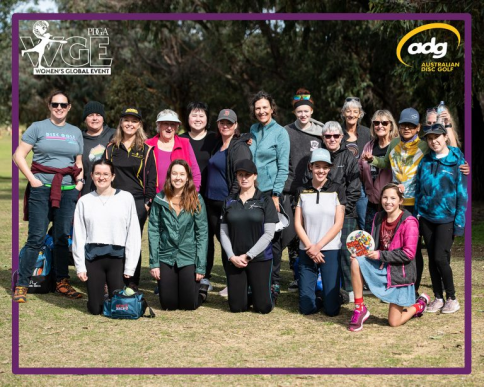
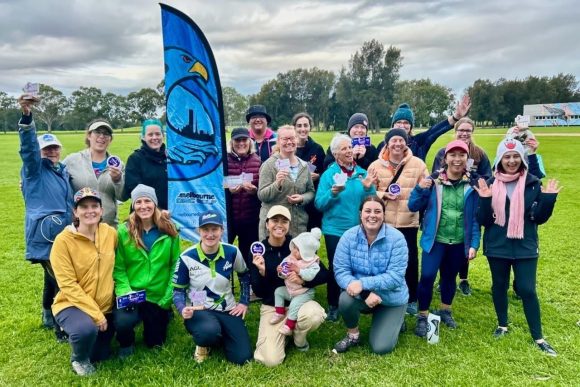
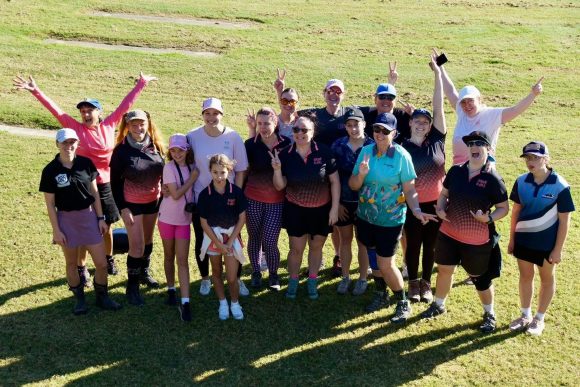
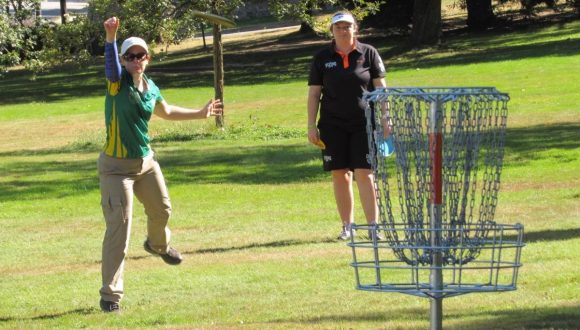
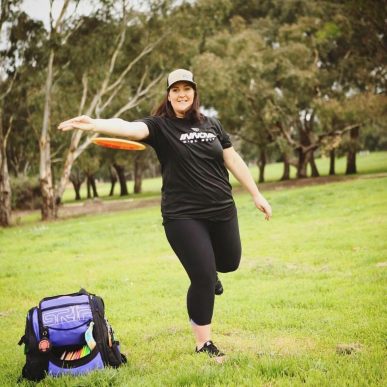
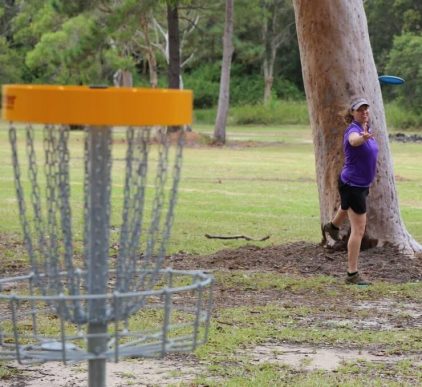
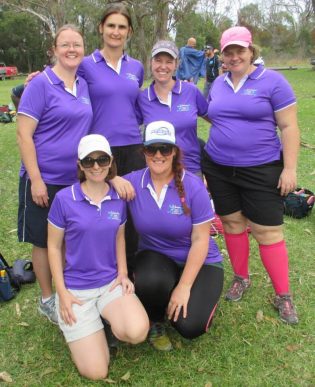
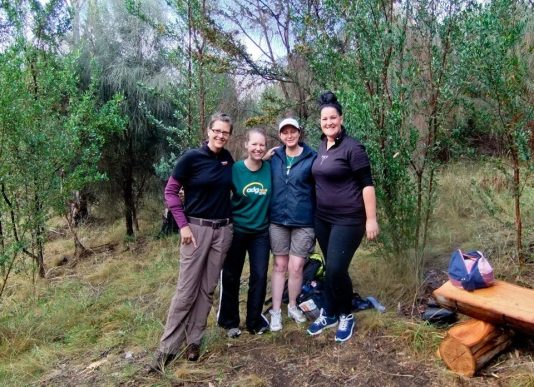
In 2012, three women played in Australia’s first PDGA Women’s Global Event. One event across the whole country. Three players. By 2022 that number reached a hundred women across seven events, from Perth to Sydney. The numbers kept climbing. While the pandemic accelerated the growth of the sport worldwide women did not get left behind. Female participation kept pace with overall growth, remaining steady at around 14% of the playing base even as total player numbers exploded.
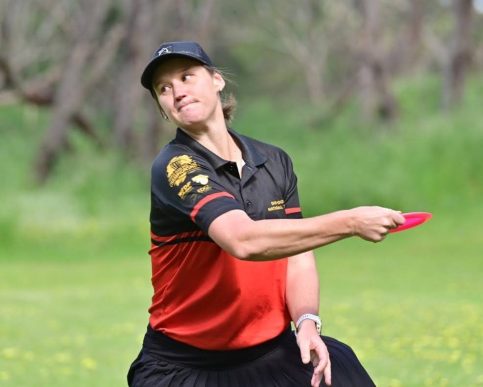
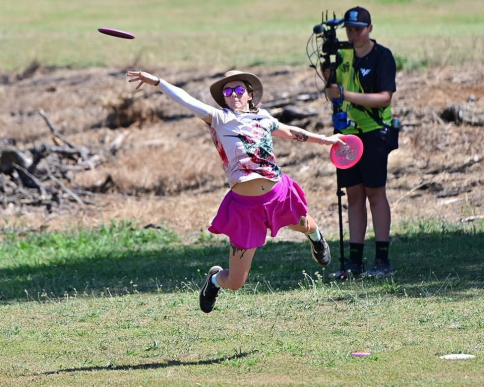
And the playing standard has gone to another level. While still fragmented and geographically dispersed, the era of a single dominant player has passed. This shift was signalled when Kairi Koobakene claimed the Women’s Tour title in 2019. Players like Emma Winkworth, Toosje Frequin, Nicole McPherson and Julie O’Donoghue formed a strong base, and soon a wave of high‑level Ultimate players transitioned into disc golf and began contending regularly for top honours—Gina Hill, Sarah Lee, Sue Summers, Kirsty Murray, and Clare Hussey among them. What has emerged is a competitive field with genuine depth. Other divisions have grown too, the newly created masters division is often the largest women’s field at an event. And the pipeline is stronger. A new generation of juniors is coming through with skill, confidence, and ambition. Anita Weber, Miley Nicholson, Lily Nicholson‑Love, Charlotte Davies, and Lydia Philpott are among the names to watch as the next era of women’s disc golf in Australia continues to unfold.
A lot came together in the 2020s. COVID was part of it. Lockdowns shut down team sports and gyms and people found disc golf – something you could play outdoors with a single disc that cost less than lunch. Courses that had been sitting quietly in suburban parks for years suddenly had traffic on them.
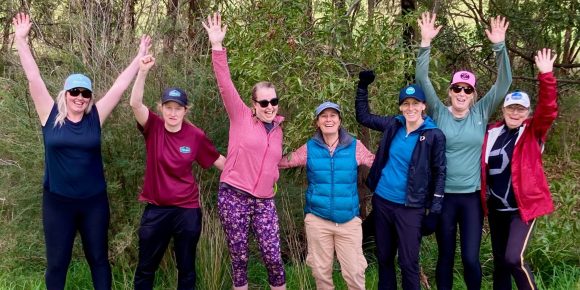
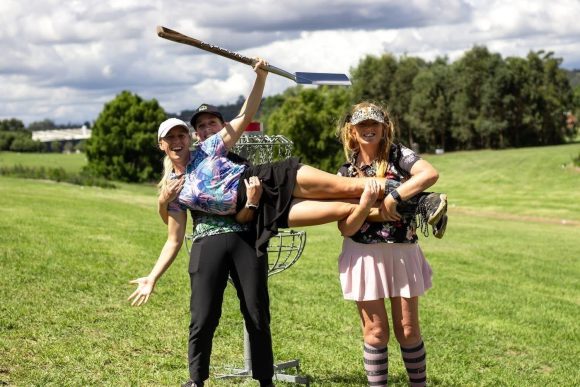
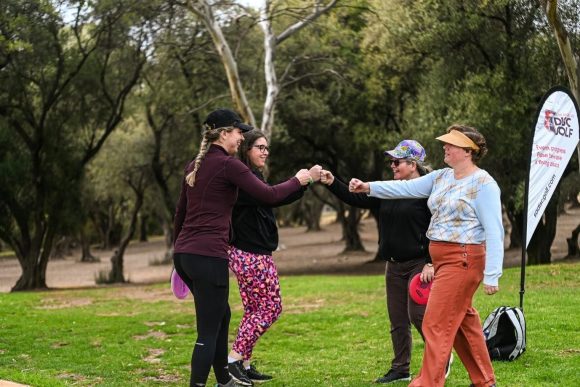
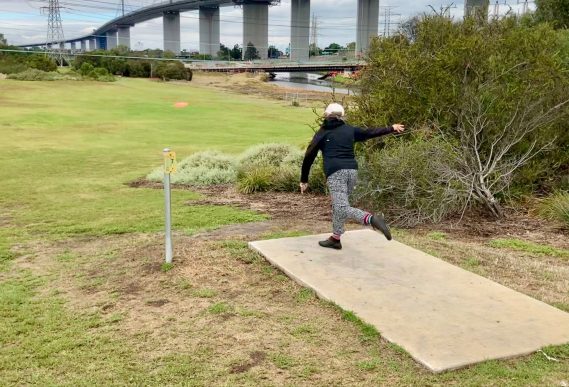
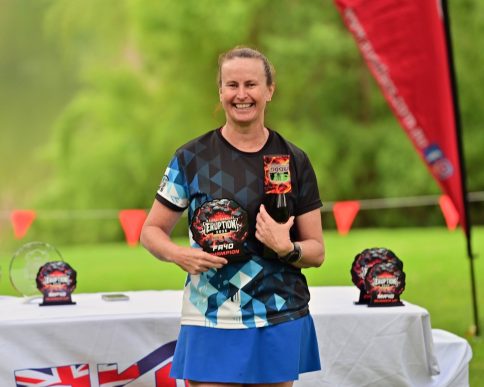
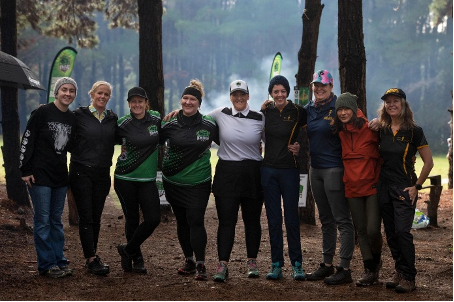
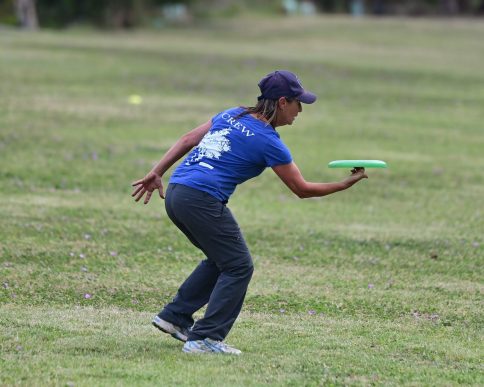
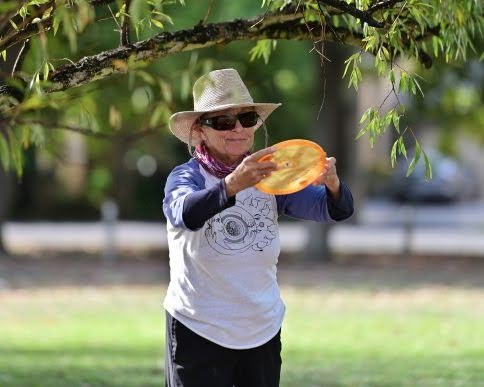
WGE 2022Melbourne Disc Golf Club at their 2024 WGEBirdie Babes Australia at Garden City Open 2026South Australian Disc Golf WGE 2024MDGC WGE 2024 1. Driving at Stony Creek DG courseMDGC Women’s Social Club 2022
But COVID just accelerated something that was already building. The real story is the work.
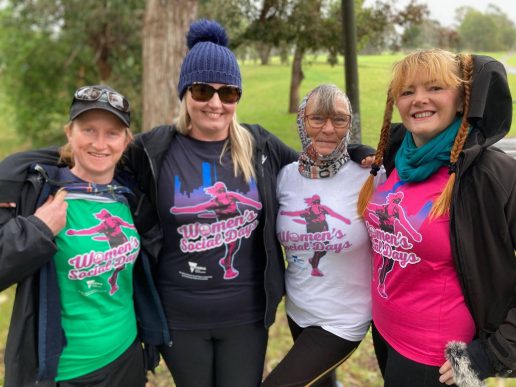
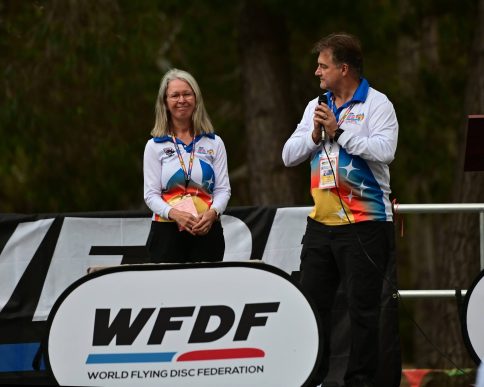
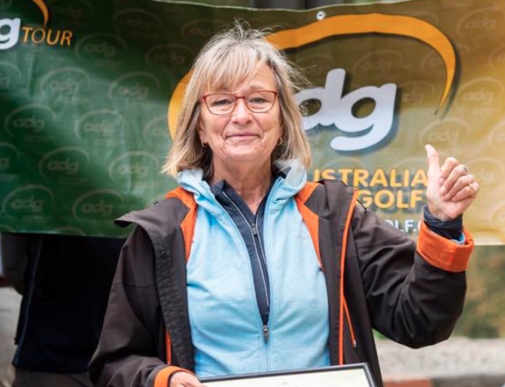
But it is not just on the course that has seen growth. Women are out the front in leadership positions ensuring women play a role in guiding our sport and across the country they are creating spaces specifically designed to bring other women in. Leagues, social days, beginner clinics, mentoring, dedicated women’s events. No one embodies this more than Sue Summers. In 2021, Sue ran Run the Chains for WGE in Perth, achieving the highest female participation ever for an Australian disc golf event. At the time Sue was on the ADG board and was president of Mundaring Disc Golf, becoming the first woman to hold the presidency of an Australian disc golf club. Currently, Sue serves on the WFDF Disc Golf Committee, where her primary focus is women’s participation, gender equity, and inclusion. Sue was integral in bringing the WFDF World team championships to Australia in 2024, taking the event to the next level as co-TD with husband Ken Summers.
The Women’s Global Event has been a valuable stepping stone for new female TDs: in 2022, five of the seven Australian WGE events were run by women. Women are also leading the country’s largest tournaments. In 2024, Michelle Shultz of SA won the inaugural Tournament Director of the Year award for her work on the Eruption, widely regarded as the most sought-after event on the ADG Tour. That same year, Sharon Costa co‑TDed the Australian Disc Golf Championships in Molong, NSW and was awarded volunteer of the year award along with husband Kevin Costa for their work at Central West Disc Golf. The award nomination cited their work encouraging women across all divisions from Juniors to Masters.
Helping with the visibility of women in the sport are groups like the Birdie Babes. Run by QLDs Tenyse Dark and Ash Dooley, Birdie Babes provides a place to see women playing, to hear what women are doing to help grow female participation and to celebrate women around the country
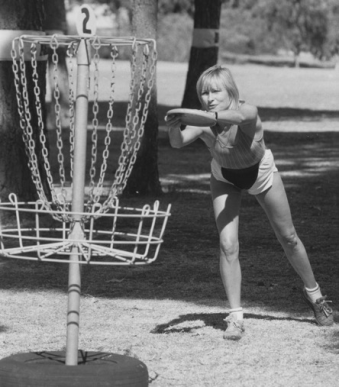
And the women who started all of this haven’t gone anywhere. Gail P. Lynch, who was the only woman in the room when the AFA formed in 1976, is still on the Melbourne Disc Golf Club board, still securing grants, still pushing for access and inclusion fifty years on. Emilie Cameron guided the national body through its most transformative period before stepping into a general member role after 15 years as Secretary. Cassie Sweetten is still making the national team. The pioneers didn’t just start this. They’re still here.
That’s what fifty years of women in Australian disc golf looks like.
This year marks fifty years since a group of curious players gathered in a South Melbourne park and threw their first Frisbees. In the five decades since, women have been at the heart of Australian disc sports as players, organisers, mentors, and pioneers.
To celebrate this milestone and the 2026 PDGA Women’s Global Event, we’re telling that story in a four-part series. Each week, we’ll share a new era – from the very first throws in 1976 to the thriving community we have today. Along the way, you’ll meet the women who built this sport, often as the only woman on the card, and the new generation who are making sure that’s no longer the case.
Be sure to follow the 50 Years of Flight campaign on Facebook for even more stories, photos, and celebrations as we honour half a century of disc sports in Australia.
Whether you’ve been playing for decades or you’ve never picked up a disc, this story is yours too. The 2026 WGE runs May 15–25, and every woman who shows up is writing the next chapter. Find your nearest WGE event on our website.
We want to take a moment to thank everyone who has helped put this together. A project like this doesn’t happen without the people who capture and embody the spirit of our sport. A special thank you to Emilie Cameron, Cassie Sweetten, Gail P. Lynch, Tenyse Dark, Kingsley Flett (for his photography), and the many other photographers and historians, both known and unknown, whose images and stories help tell the story of Australian Disc Golf. Your contributions are what make something like this possible.
If you would like to help grow the game for women and girls, consider making a donation through the Australian Sports Foundation. This fundraiser is dedicated to supporting the 2026 Women’s Global Event, helping to lower barriers to entry, get more women and girls on the course, and build a future where no one has to be the only woman on the card. Every donation is tax-deductible, and every dollar goes directly toward making disc golf more welcoming and accessible for women at every level. Donate at asf.org.au/preview/back-women-s-disc-golf–wge-2026
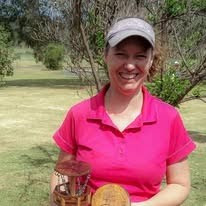
It was Cassie who pulled ahead and became the dominant force in Australian women’s disc golf. An eight-time Australian Women’s Champion, 2023 New Zealand Women’s Champion and the first Australian woman on the International Innova Champion Disc Team, Cassie raised the bar for what was possible in Australian women’s disc golf.
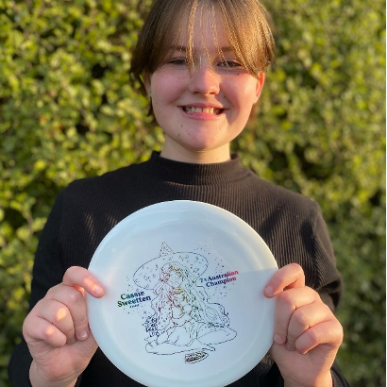
Cassie saw the benefits of training- growing stronger, throwing further and mastering the mental game. She showed what was possible and the wins and accolades flowed in. She became the first Australian female player to be sponsored (Innova), pushed for a true FPO division to be opened up on the tour and released a signature disc with help from daughter Lily.
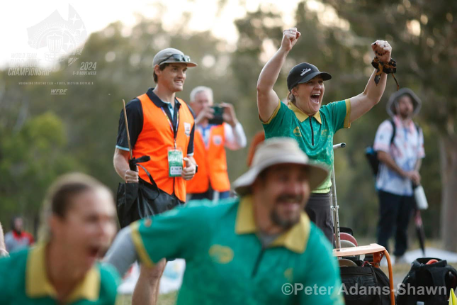
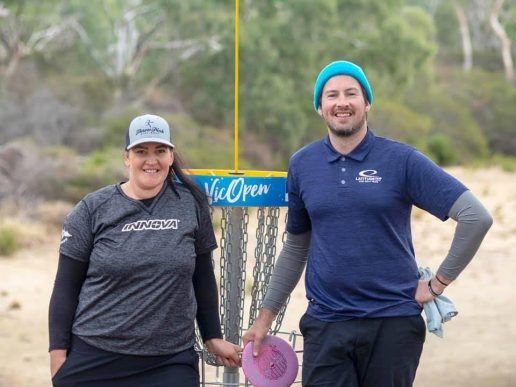
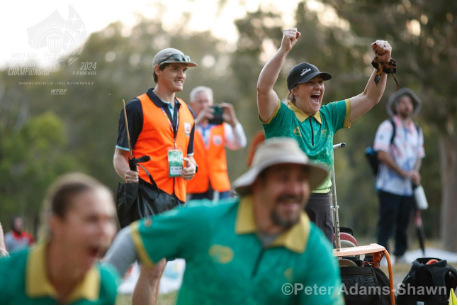
2024 Word Teams Disc Golf Championships, Perth AustraliaCassie & Jarrath double Vic Open victory 20192022 Tour Disc designed by Lily Sweetten (Cassie’s daughter)
In 2019, Cassie and her good friend Toosje Frequin travelled to the US for 4 weeks to compete in the US Women’s Disc Golf Championships. They visited the Innova warehouse in California and then played courses we all could dream of playing like DeLa, Golden Gate Park Disc Golf Course, Maple Hill, La Mirada Disc Golf Course, Winthrop University Disc Golf Course and then headed to the US Women’s Disc Golf Championships in Virginia.
The bigger stages were still to come. In 2024, Australia hosted the WFDF World Team Disc Golf Championships at Mundaring in Western Australia. Cassie was part of the Australian team and was named Team Australia Co-Captain alongside her good friend Patrick Robinson. Unfortunately, Cassie broke her ankle in a freak accident the day before the event was to start and could not play. That didn’t stop her from taking an integral role on the team and leading by example. Australia ended up playing in the Gold Medal match against Estonia taking silver, a huge achievement from both Cassie and the Australian Team. Cassie’s contribution was summed up by Australian Manager Kris Kohout .
“Cass moved quickly past her disappointment and became an amazing leader/selector/administrator/motivator/mentor across the campaign, hobbling around in her moonboot and even caddying entire rounds for the team (not sure how that moonboot looks after trekking 35km through Aussie bushland Cass!). She was tireless and amazing as co-captain both in the lead-up and during the campaign and I for one hope the silver lining from her injury cloud is a rekindling of the fire in her belly to be a front line Sugar Glider either in Chengdu and/or Lithuania, we’re a better team with Cass leading from the front.”
Perth Open2024 Word Teams Disc Golf Championships, Perth
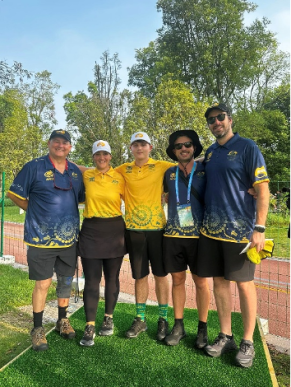
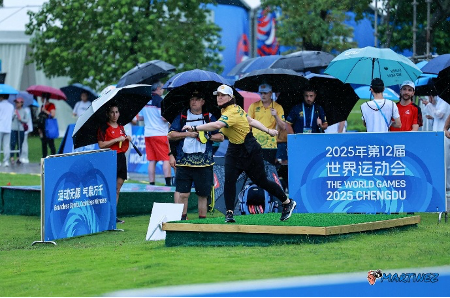
Cassie was then selected to represent Australia at The World Games in Chengdu China, The first time disc golf has been included in that event in 27 years. She will again join the team as they head to Lithuania in August 2026.
Team Australia – World Games Chengdu, ChinaWorld Games Chengdu, China
Here’s a little bit from Cassie:
From earlier days in 2007 when I started playing all the way through to 2026 the sport has grown so much. With the help of women all over the country, our women’s divisions have grown and we are seeing higher numbers at events right across Australia.
Women in each state are running women’s global events to encourage friends / family to come and try disc golf. Perth – Western Australia being the biggest state hosting 34 players at their last WGE Event. A huge shoutout to Sue Summers and Joanne McCamish.
We see new women players pushing for female participation and with the Australian movement of Birdie Babes created by Tenyse Dark and Ash Dooley this has really directed a new and exciting time for Australia Women’s Disc Golf.
I can’t wait to see what’s next for women’s disc golf here in Australia.
This year marks fifty years since a group of curious players gathered in a South Melbourne park and threw their first Frisbees. In the five decades since, women have been at the heart of Australian disc sports as players, organisers, mentors, and pioneers.
To celebrate this milestone and the 2026 PDGA Women’s Global Event, we’re telling that story in a four-part series. Each week, we’ll share a new era – from the very first throws in 1976 to the thriving community we have today. Along the way, you’ll meet the women who built this sport, often as the only woman on the card, and the new generation who are making sure that’s no longer the case.
Be sure to follow the 50 Years of Flight campaign on Facebook for even more stories, photos, and celebrations as we honour half a century of disc sports in Australia.
Whether you’ve been playing for decades or you’ve never picked up a disc, this story is yours too. The 2026 WGE runs May 15–25, and every woman who shows up is writing the next chapter. Find your nearest WGE event on our website.
We want to take a moment to thank everyone who has helped put this together. A project like this doesn’t happen without the people who capture and embody the spirit of our sport. A special thank you to Emilie Cameron, Cassie Sweetten, Gail P. Lynch, Tenyse Dark, Kingsley Flett (for his photography), and the many other photographers and historians, both known and unknown, whose images and stories help tell the story of Australian Disc Golf. Your contributions are what make something like this possible.
If you would like to help grow the game for women and girls, consider making a donation through the Australian Sports Foundation. This fundraiser is dedicated to supporting the 2026 Women’s Global Event, helping to lower barriers to entry, get more women and girls on the course, and build a future where no one has to be the only woman on the card. Every donation is tax-deductible, and every dollar goes directly toward making disc golf more welcoming and accessible for women at every level. Donate at asf.org.au/preview/back-women-s-disc-golf–wge-2026
The Eras of Women in Australian Disc Sports 50 Years of Flying Disc Sports in Australia · 1976-2026
In the mid-2000s, disc golf in Australia started to come back to life. Australian Disc Golf Inc was formed in 2004, permanent courses started appearing across the country, and by 2007 both the Australian Disc Golf Championships and the Australian Disc Golf Tour were underway. Over the next decade, three women’s names are etched on the women’s tour trophy: Sal, Cass and Em.
They were friends and fierce rivals on the course, but just as importantly, each played an integral role in building the clubs, courses, and governance structures that allowed the sport to grow into what it is today. As Em later reflected: “We all lived in different areas, so we were often the only women playing and organising at local events. At the bigger tournaments it was really great to come together and actually compete against each other.”
Sally Hill sinking a putt at the 2016 World Teams in Vancouver during play rounds
Sally Hill was there from the beginning of the Sydney revival. Coming across from Ultimate, she was part of a group (including Albert Munoz, Luke Williams and Kurt Karlsson) that would set up a temporary course at Macquarie Uni, including a shot through the fountain. Sal won the tour in 2008, 2009, 2014 and 2015. In 2016 she was one of four players to represent Australia at the WFDF World Team Championships in Vancouver, and she later played a role on the inaugural ADG High Performance Committee, helping shape Australian teams.
Cassie Sweetten in early competition days, 2017
Cassie Sweetten (née Anderson), from Geelong, found disc golf on a trip to Queenstown with now-husband Jarrath Sweetten. They came back and, with friends Andrew Ferguson and Patrick Robinson, founded Geelong Disc Golf, eventually getting a local course in the ground. She was the inaugural winner of the Australian Tour in 2007. She started her run at the championships well, with wins in 2007, 2008, and three more in those first ten years (2012, 2014 and 2015), but stay tuned for what came next!
Emilie Cameron took up disc golf with husband Jonathan Jonas during a two-year stay in New Jersey, USA. Playing with the Disc Devils at Rutgers University, Em found a welcoming local scene and, notably, a strong group of women competitors. Returning to Australia in 2010, Em helped found the Newcastle Disc Golf Club and they soon had a course in the ground with more on the way. At the national championships that year, when no one else put their hand up, Em became Secretary of ADG and held the position for the next fifteen years.
Emilie Cameron competing — Newcastle Herald photo from Koala Park course opening 2016
During that time she played a critical role in shaping the direction and position of ADG, consistently ensuring that women’s voices were represented across committees and decision-making spaces, even when that meant joining them herself. Em won the tour for four consecutive years (2010–2013) and was the highest-placed Australian woman at the national championships in 2010 and 2011, finishing behind a visiting US pro. One of her favourite disc golf memories remains taking the box from Valerie Jenkins after Val’s tee shot landed on a boat! Em finally claimed the national crown in 2016. Her nomination for PDGA Women’s Disc Golf Week in 2023 described her as “a wonderful and trusted mentor for women right across the country, who all feel comfortable contacting Em if they have any question on matters of disc golf.”
2014 WGE and NSW Open, sporting custom women’s disc golf Australia shirts! In photo are Candice Roberts, Tess Giuliano, Emilie Cameron, Carmen Lee, Sally Hill and Cassie Sweetten.
In the mid-2000s, disc golf in Australia started to come back to life. Australian Disc Golf Inc was formed in 2004, permanent courses started appearing across the country, and by 2007 both the Australian Disc Golf Championships and the Australian Disc Golf Tour were underway. Over the next decade, three women’s names are etched on the women’s tour trophy: Sal, Cass and Em.
They were friends and fierce rivals on the course, but just as importantly, each played an integral role in building the clubs, courses, and governance structures that allowed the sport to grow into what it is today. As Em later reflected: “We all lived in different areas, so we were often the only women playing and organising at local events. At the bigger tournaments it was really great to come together and actually compete against each other.”
Sally Hill was there from the beginning of the Sydney revival. Coming across from Ultimate, she was part of a group (including Albert Munoz, Luke Williams and Kurt Karlsson) that would set up a temporary course at Macquarie Uni, including a shot through the fountain. Sal won the tour in 2008, 2009, 2014 and 2015. In 2016 she was one of four players to represent Australia at the WFDF World Team Championships in Vancouver, and she later played a role on the inaugural ADG High Performance Committee, helping shape Australian teams.
Cassie Sweetten (née Anderson), from Geelong, found disc golf on a trip to Queenstown with now-husband Jarrath Sweetten. They came back and, with friends Andrew Ferguson and Patrick Robinson, founded Geelong Disc Golf, eventually getting a local course in the ground. She was the inaugural winner of the Australian Tour in 2007. She started her run at the championships well, with wins in 2007, 2008, and three more in those first ten years (2012, 2014 and 2015), but stay tuned for what came next!
Emilie Cameron took up disc golf with husband Jonathan Jonas during a two-year stay in New Jersey, USA. Playing with the Disc Devils at Rutgers University, Em found a welcoming local scene and, notably, a strong group of women competitors. Returning to Australia in 2010, Em helped found the Newcastle Disc Golf Club and they soon had a course in the ground with more on the way. At the national championships that year, when no one else put their hand up, Em became Secretary of ADG and held the position for the next fifteen years.
During that time she played a critical role in shaping the direction and position of ADG, consistently ensuring that women’s voices were represented across committees and decision-making spaces, even when that meant joining them herself. Em won the tour for four consecutive years (2010–2013) and was the highest-placed Australian woman at the national championships in 2010 and 2011, finishing behind a visiting US pro. One of her favourite disc golf memories remains taking the box from Valerie Jenkins after Val’s tee shot landed on a boat! Em finally claimed the national crown in 2016. Her nomination for PDGA Women’s Disc Golf Week in 2023 described her as “a wonderful and trusted mentor for women right across the country, who all feel comfortable contacting Em if they have any question on matters of disc golf.”
This year marks fifty years since a group of curious players gathered in a South Melbourne park and threw their first Frisbees. In the five decades since, women have been at the heart of Australian disc sports as players, organisers, mentors, and pioneers.
To celebrate this milestone and the 2026 PDGA Women’s Global Event, we’re telling that story in a four-part series. Each week, we’ll share a new era – from the very first throws in 1976 to the thriving community we have today. Along the way, you’ll meet the women who built this sport, often as the only woman on the card, and the new generation who are making sure that’s no longer the case.
Be sure to follow the 50 Years of Flight campaign on Facebook for even more stories, photos, and celebrations as we honour half a century of disc sports in Australia.
Whether you’ve been playing for decades or you’ve never picked up a disc, this story is yours too. The 2026 WGE runs May 15–25, and every woman who shows up is writing the next chapter. Find your nearest WGE event on our website.
We want to take a moment to thank everyone who has helped put this together. A project like this doesn’t happen without the people who capture and embody the spirit of our sport. A special thank you to Emilie Cameron, Cassie Sweetten, Gail P. Lynch, Tenyse Dark, Kingsley Flett (for his photography), and the many other photographers and historians, both known and unknown, whose images and stories help tell the story of Australian Disc Golf. Your contributions are what make something like this possible.
If you would like to help grow the game for women and girls, consider making a donation through the Australian Sports Foundation. This fundraiser is dedicated to supporting the 2026 Women’s Global Event, helping to lower barriers to entry, get more women and girls on the course, and build a future where no one has to be the only woman on the card. Every donation is tax-deductible, and every dollar goes directly toward making disc golf more welcoming and accessible for women at every level. Donate at asf.org.au/preview/back-women-s-disc-golf–wge-2026
The Eras of Women in Australian Disc Sports 50 Years of Flying Disc Sports in Australia · 1976-2026
Through the 1980s and into the early 1990s, Australian disc sport was shaped by a cohort of highly skilled women who rarely confined themselves to a single discipline. Disc golf, freestyle, distance, self caught flight and Ultimate were all part of the same flying disc culture, and women were competing across them all.
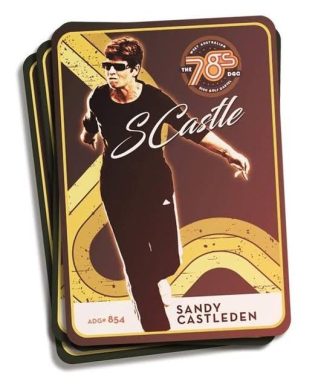
One of the most dominant figures of the era was Sandy Castleden (Jarvis). Introduced to disc sports in 1982 by physical education teacher and pioneer Rob Hancock, Sandy quickly established herself as a fierce and versatile competitor. She won her first Australian women’s title in 1983 and went on to secure six Australian Open Championships, with an extraordinary nine national titles between 1982 and 1992. Internationally, Sandy represented Australia at World Championships in Santa Cruz, California in 1985 and 1991, and at the 1991 Canadian Open, where she claimed the women’s title. She also captained the Western Australian state team at a time when Ultimate was contested as a mixed-gender event, reinforcing the collaborative foundations of the sport.
Beyond competition, Sandy was a driving force in the development of disc sport in Western Australia. She held numerous administrative roles including President of the Western Australian Flying Disc Association, working to secure official recognition of Frisbee as a sport with the Western Australian Sports Federation. She was also part of the organising committees for multiple national championships and was nominated for Western Australian Sports Star of the Year. She was recognised with an AFDA Rob Hancock Award in 1994.
This was also the time that a young Sue Conos (now Donnelly) appeared on the scene taking out the freestyle championships in 1981. Sue would later take up Disc golf again and win the women’s masters division in 2024, possibly the longest break between national championships Australian disc sports has seen.
As the sport grew and more men entered competition, increasing specialisation and widening skill gaps began to shift the culture. The early, tightly knit mixed‑gender community that had built the sport together began to fragment. Gail P. Lynch, whose involvement spanned every level of the sport, reflects honestly on this transition.
“Breaking down the barriers to enable improved access and equal opportunities is not easy,” Gail says, “but it can, does and will happen. The recognition of our important role and the ‘difference’ we bring to the sport is changing, and so it should.”
This year marks fifty years since a group of curious players gathered in a South Melbourne park and threw their first Frisbees. In the five decades since, women have been at the heart of Australian disc sports as players, organisers, mentors, and pioneers.
To celebrate this milestone and the 2026 PDGA Women’s Global Event, we’re telling that story in a four-part series. Each week, we’ll share a new era – from the very first throws in 1976 to the thriving community we have today. Along the way, you’ll meet the women who built this sport, often as the only woman on the card, and the new generation who are making sure that’s no longer the case.
Be sure to follow the 50 Years of Flight campaign on Facebook for even more stories, photos, and celebrations as we honour half a century of disc sports in Australia.
Whether you’ve been playing for decades or you’ve never picked up a disc, this story is yours too. The 2026 WGE runs May 15–25, and every woman who shows up is writing the next chapter. Find your nearest WGE event on our website.
We want to take a moment to thank everyone who has helped put this together. A project like this doesn’t happen without the people who capture and embody the spirit of our sport. A special thank you to Emilie Cameron, Cassie Sweetten, Gail P. Lynch, Tenyse Dark, Kingsley Flett (for his photography), and the many other photographers and historians, both known and unknown, whose images and stories help tell the story of Australian Disc Golf. Your contributions are what make something like this possible.
If you would like to help grow the game for women and girls, consider making a donation through the Australian Sports Foundation. This fundraiser is dedicated to supporting the 2026 Women’s Global Event, helping to lower barriers to entry, get more women and girls on the course, and build a future where no one has to be the only woman on the card. Every donation is tax-deductible, and every dollar goes directly toward making disc golf more welcoming and accessible for women at every level. Donate at asf.org.au/preview/back-women-s-disc-golf–wge-2026
This year marks fifty years since a group of curious players gathered in a South Melbourne park and threw their first Frisbees. In the five decades since, women have been at the heart of Australian disc sports as players, organisers, mentors, and pioneers.
To celebrate this milestone and the 2026 PDGA Women’s Global Event, we’re telling that story in a four-part series. Each week, we’ll share a new era – from the very first throws in 1976 to the thriving community we have today. Along the way, you’ll meet the women who built this sport, often as the only woman on the card, and the new generation who are making sure that’s no longer the case.
Be sure to follow the 50 Years of Flight campaign on Facebook for even more stories, photos, and celebrations as we honour half a century of disc sports in Australia.
Whether you’ve been playing for decades or you’ve never picked up a disc, this story is yours too. The 2026 WGE runs May 15–25, and every woman who shows up is writing the next chapter. Find your nearest WGE event on our website.
Before we dive in, we want to take a moment to thank everyone who has helped put this together. A project like this doesn’t happen without the people who capture and embody the spirit of our sport. A special thank you to Emilie Cameron, Cassie Sweetten, Gail P. Lynch, Tenyse Dark, Kingsley Flett (for his photography), and the many other photographers and historians, both known and unknown, whose images and stories help tell the story of Australian Disc Golf. Your contributions are what make something like this possible.
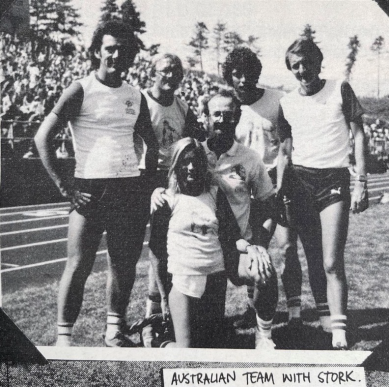
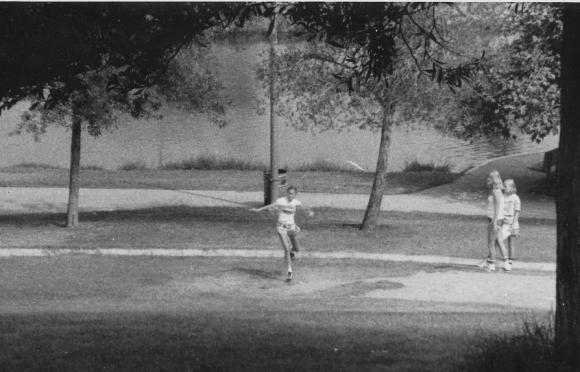
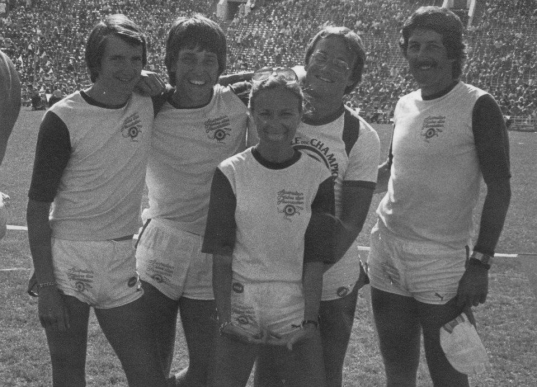
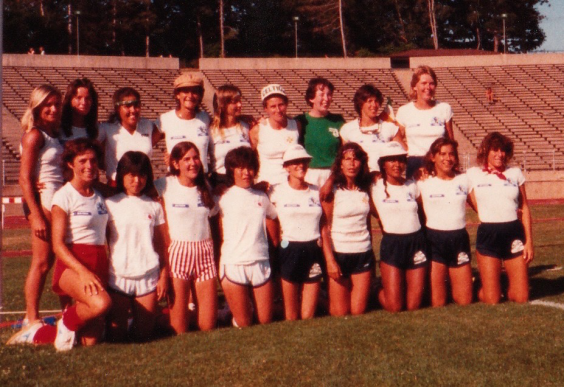
Australian team, NJ 1982 Gail playing Disc Golf at La Mirada, 1980 World ChampionshipsTeam photo at Rose Bowl, California, 1980Gail’s ADG Hall of Fame induction 2018Australian Championships, Gail P. LynchWomen players group photo, 1982 World Championships, New JerseyGail P. Lynch lining up a putt, photo by Kingsley FlettAustralian Championships 1982
ERA 1 – The Beginning
1976 – early 1990s · South Melbourne to the Rose Bowl
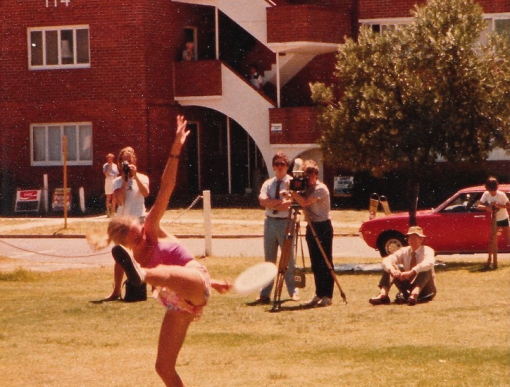
It was 1976, and Toltoys – the Australian company that had brought Hula Hoops to the country back in the sixties – had just licensed Frisbees from Wham-O. To launch them, they flew out two World Champions: Dan “Stork” Roddick and the late Jo Cahow, to undertake a promotional tour.
One of the promotional activities was an event in a park in South Melbourne. Along with many staff and their families, there were also quite a few people who had played disc before in the USA and Canada who shared their experiences, skills and enthusiasm, and who, in later weeks and months joined in to grow the sport.
Among the group was a young Toltoys employee named Gail P. Lynch.
Her first throws were wobbly and all over the place. Then something clicked. A straight, spinning throw sailed to Jo Cahow. She repeated it. And again. “I felt the force and flow and the shared experience,” Gail recalls. “This and the experience of sharing the learning, doing, and fun with the whole group was captivating.”
Within months Gail was Treasurer of the brand-new Australian Frisbee Association. In 1980, Gail organised a promotional offensive from the Toltoys head office: Brian Vanallen, Mark Powers and Canadian freestyle specialist Laurie Dotto loaded up an old postie van and drove it across the country, putting on shows at schools, shopping malls and cricket matches.
That same year Gail won the Australian Women’s Overall title and earned a partly funded trip to the World Championships at the Rose Bowl in California. The Australian team jumped out of the player line-up together, like kangaroos, to a huge roar from a crowd of around 40,000.
“Playing with the women in these events was, frankly, mind blowing,” says Gail. “There were so many of them, they were very skilled, and they were giving and friendly.”
Over the following five years Gail won five Australian Women’s Championships and represented Australia at the 1981 and 1982 World Championships, reaching the semi-finals in MTA in 1982.
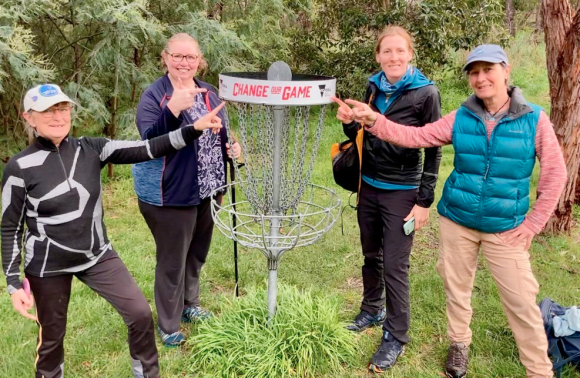
Gail has continued to participate and work toward women and junior participation, including securing funding in the “Change Our Game” initiative 2022/23 to hold women’s social days, coaching clinics and “come ‘n trys”.
In 1990 Gail was awarded the Rob Hancock Memorial Award for outstanding Achievement in Flying Disc Sport. In 2018 she was inducted into the Australian Disc Golf Hall of Fame in acknowledgement of her role in the beginning of the sport in Australia and her continued efforts to support women’s participation. She remains the only woman inducted. She was given Life Membership of Melbourne Disc Golf Club in 2023.
A summary from Gail:
“Disc sports is where I have experienced and enjoyed friendship, fun, happiness, hard work, achievement and joy – it is a fulfilling passion. I have been fortunate to have been at the beginning of the “50 Years of Flight” journey and to continue my playing and involvement. As Dan (Stork) Roddick said in his happy birthday message to Australia, “You don’t quit playing because you get old, you get old because you quit playing.” The standout through all this time is the people, the camaraderie, the fun and enjoyment, the sharing of the love of the game and that floating disc.”
Welcome to the very first edition of the Australian Disc Golf Newsletter!
This is a new initiative from ADG to keep our community informed about what’s happening across the sport nationally. We’ll be bringing you quarterly updates covering Board news, upcoming events, community highlights, and important announcements.
Have ideas? We’d love to hear from you. If you have feedback, story ideas, or something you’d like to see in a future edition, get in touch. We hope you enjoy the read.
We’ve covered how we protect our members, their health, and the integrity of our game. For our final post in this series, we’re looking at the “how-to” of fairness: the Complaints, Disputes & Discipline Policy (CDDP).
In any community, disagreements happen. The goal of this policy is to provide a clear, transparent, and independent process to resolve issues when they arise.
What is the CDDP?
The CDDP is the rulebook for how Australian Disc Golf handles reports of “Prohibited Conduct” under the other NIF policies. It ensures that everyone, no matter their role in the sport, is treated with respect and procedural fairness.
How Does It Work?
One of the biggest benefits of ADG adopting the AFDA’s framework is that we no longer have to police ourselves in a vacuum.
Independent Assessment: Serious complaints (like discrimination or child safeguarding) are often managed or overseen by Sport Integrity Australia. This removes the risk of politics influencing the outcome.
Clear Steps: The policy outlines a step-by-step process: from making a report and the initial evaluation to potential hearings and final decisions.
Confidentiality: Every step is handled with the utmost respect for the privacy of everyone involved.
What About Local Disputes?
It’s important to note that the CDDP is designed for breaches of the National Integrity Framework. Personal “grumbles” or minor disagreements about a foot fault on the course are still usually handled by local clubs or the TD under the standard PDGA/ADG rules of play. The CDDP is there for the serious stuff that impacts the safety and integrity of our sport.
Your Voice Matters
A policy is only as good as the people who use it. If you see something that violates our Member Protection or Integrity policies, this document gives you the power and the protection to speak up. It ensures that your concerns will be heard by the right people, in the right way.
Wrapping Up the Series
Over the last month, we’ve looked at the four pillars of the National Integrity Framework. Together with ADG’s own supplementary Safeguarding Children & Young People Policy, these documents form a shield around our sport. By adopting these standards, Australian Disc Golf is ensuring that as we grow, we stay true to the values that made us pick up a disc in the first place: Fairness, Safety, and Respect.
Last week, we talked about how the Drugs & Medicine policy keeps our athletes healthy. This week, we’re looking at how we keep the game itself honest.
As Disc Golf grows in Australia, it’s attracting more eyes, more sponsors, and more fans. That’s exciting! But it also means we need to protect the unpredictability of our sport. That’s where the Competition Manipulation and Sports Gambling Policy comes in.
What is Competition Manipulation?
Essentially, it’s anything that aims to fix the outcome of a hole, a round, or a tournament for a reason other than pure skill. Whether it’s deliberately missing a putt to help a friend’s ranking or agreeing to split a prize before the final round is over, it undermines the very reason we compete.
Why Does This Matter for Disc Golf?
You might think, “I’m just playing a B-Tier event, surely this doesn’t apply to me?” But integrity starts at the grassroots. To keep our sport respected by sponsors, government bodies, and the public, we need to ensure that every result is earned fairly.
The “No-Go” Zones
The policy identifies a few key prohibited behaviors:
Match-Fixing: Intentionally performing below your best to influence a result.
Inside Information: Sharing non-public info (like a top player’s secret injury) with someone who might use it for betting.
Betting on Your Own Sport: Under the NIF, if you are a “Relevant Person” (player, official, or volunteer), you are generally prohibited from betting on Disc Golf events you are involved in or have influence over.
The Bottom Line
We play Disc Golf because the best player on the day wins. This policy helps ensure the scorecard always tells the true story. By keeping gambling and manipulation out of our game, we protect the spirit of competition that makes every birdie feel so good.
When we hear about drug policies in sports, we often think of elite athletes and Olympic testing. While that’s part of it, this policy is actually designed to protect the health and safety of every player in the disc golf community.
What is this Policy About?
At its core, this policy ensures that the way we use medications and supplements in our sport is safe, transparent, and fair.As our sport becomes more competitive and rounds get longer, players are increasingly looking at ways to support their recovery and performance. This policy provides a roadmap to ensure that:
Safety First: Decisions about your health should be made by qualified medical professionals.
Integrity: No one should feel pressured to use substances to “keep up” or gain an unfair advantage.
Protection: Our junior and vulnerable players are protected from the inappropriate administration of medicines.
What are the “Ground Rules”?
The policy identifies a few key areas that every member should be aware of:
Inappropriate Use of “Relevant Substances”: This includes the use of illegal drugs or the misuse of prescription medications in a way that could impact performance or safety.
The “No Needle” Policy: To keep our sport safe and clean, there is a general rule against injections unless they are administered by a qualified medical practitioner for a documented medical condition.
Supplement Safety: Many off-the-shelf supplements can contain hidden ingredients. This policy encourages players to be “Supplement Aware” and cautious about what they put in their bodies.
Professional Standards: Only people with the right medical qualifications should be providing medical advice or treatment at ADG-sanctioned events.
It’s important to note that the possession, use, or distribution of illegal drugs at any ADG-sanctioned event or in a way that brings the sport into disrepute is a direct violation of this policy. We are committed to maintaining a family-friendly environment where everyone feels safe.
How Does This Affect You?
For the casual league player, this policy largely means sticking to the common sense approach: use medications as prescribed by your doctor and keep the course a drug-free zone.
For our competitive athletes, it’s a reminder to be diligent. If you are taking medication for a legitimate health condition, or if you use supplements, it’s worth checking them against the Sport Integrity Australia guidelines to ensure you’re staying within the lines.
Building a Healthy Culture
By adopting this policy from the AFDA, Australian Disc Golf is joining a nationwide effort to keep sports healthy. We want our players to have long, successful careers (and social rounds!) powered by health and fair play.